Vapor Barrier Installation
Vapor Barrier Installation
in the Okanagan, BC
Proper vapor control helps manage moisture movement and protects the building envelope over time.
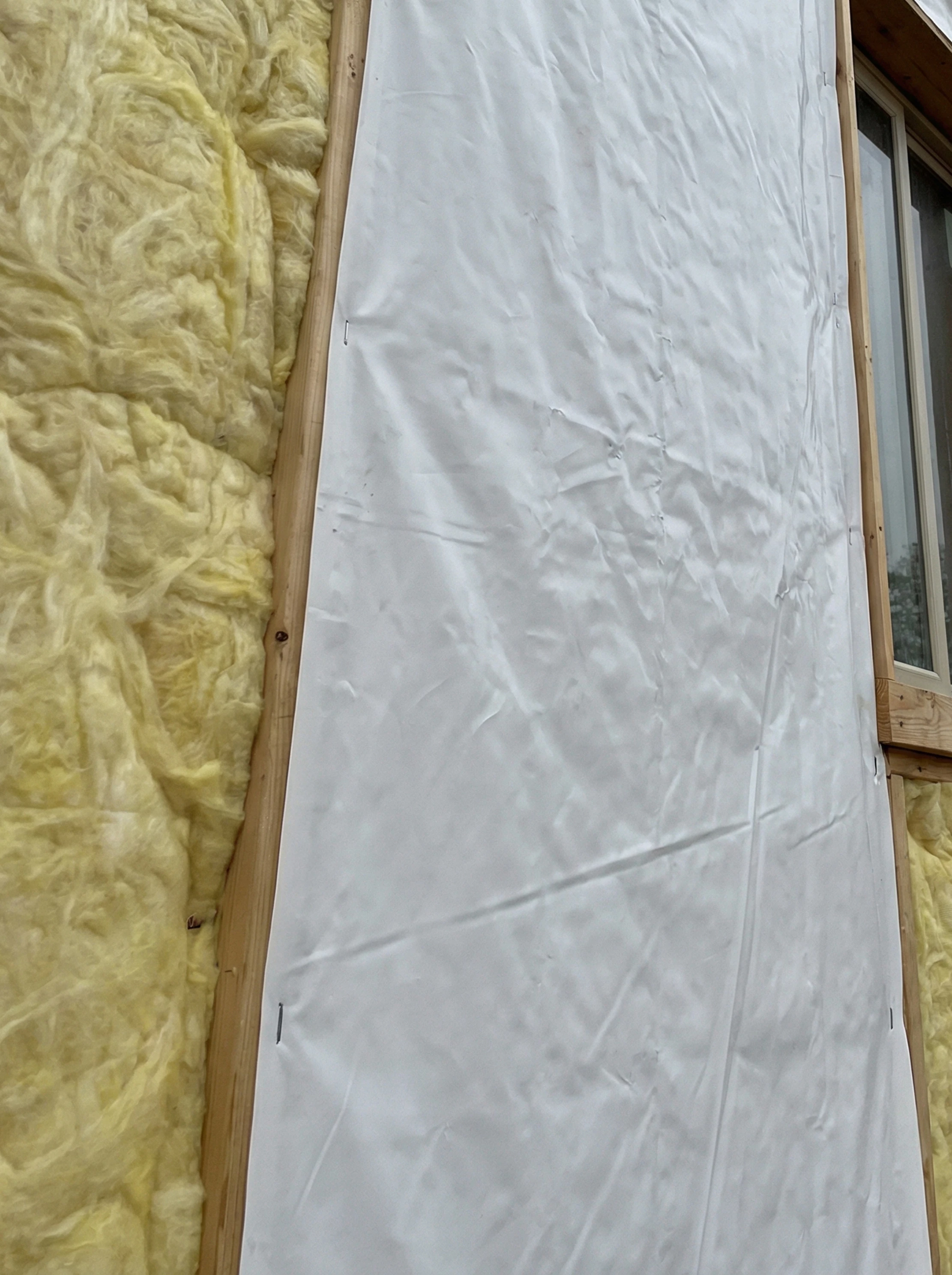
Manage Moisture Movement Inside The Building Envelope
Water vapor moves through walls differently than air. Even without drafts, moisture can slowly pass through materials by diffusion. If vapor is not controlled properly, it can condense inside the wall assembly and lead to mold, rot, and long-term damage.
A vapor barrier or vapor retarder is designed to manage that movement. Where it is placed, and how it is installed, depends on the wall assembly, insulation type, and climate conditions.
At Big Dog Exteriors, vapor barrier installation is handled as part of the full building envelope, not as an isolated layer. Our in-house team installs vapor control systems carefully and ensures they work together with air barriers, insulation, and exterior finishes.
Complete Vapor Barrier Installation
From Planning To Final Detail
Review Of Wall Assembly And Moisture Strategy
We assess the wall assembly and develop a reliable long term moisture management approach.
Coordination With Air Barriers And Insulation
We coordinate vapor barrier placement with insulation layers and air barrier systems to ensure full compatibility.
Installation Of Vapor Barriers Or Vapor Retarders
High quality vapor membranes or vapor retarders are installed where required by design or building code.
Sealing Of Seams, Laps And Joints
All seams, overlaps, and joints are sealed to help prevent unwanted moisture movement.
Detailing Around Windows, Doors And Penetrations
Openings, transitions, and service penetrations are carefully detailed for continuity.
Integration With Air And Moisture Systems
Vapor barrier systems are tied into surrounding moisture protection and air barrier layers.
Final Inspection To Confirm Proper Coverage
We complete a detailed inspection to confirm full coverage and correct installation.
Continuity Verification And Walkthrough
A final continuity check is completed, followed by a walkthrough for clarity and confidence.
Every step is completed with long-term moisture management in mind.
Request a quote for vapor barrier installationVapor Barrier Solutions Based On Assembly And Use
Polyethylene Vapor Barriers
Common in residential construction, poly vapor barriers provide strong vapor resistance when installed correctly.
Smart Vapor Retarders
These materials adjust their permeability based on conditions, allowing assemblies to dry when needed.
Vapor Retarding Membranes
Used in specific assemblies where controlled vapor movement is required rather than a full barrier.
Tapes And Sealants
Sealing materials are critical to maintaining vapor control at seams, edges, and penetrations.
Not sure which vapor control system fits your project? Our team can help guide the decision.
Book a site walkthrough for system selectionA Clear And Careful Process
Step One: Site Review
We assess the structure, insulation, and intended wall assembly.
Step Two: Moisture Strategy Planning
We confirm where vapor control is needed and how it should interact with other envelope layers.
Step Three: Surface Preparation
Surfaces are prepared to allow proper sealing and attachment.
Step Four: Vapor Barrier Installation
The vapor barrier or retarder is installed with careful attention to overlaps, seams, and edges.
Step Five: Penetration Sealing
Openings for wiring, plumbing, and fixtures are sealed to maintain continuity.
Step Six: Review And Walkthrough
We review the completed work before walls are closed or finishes proceed.
Vapor Barrier Installation Done With Full Envelope Awareness
Assembly-Based Decisions
Vapor control depends on insulation and wall design. We install based on the full assembly.
In-House Installation
All vapor barrier work is completed by our own trained and specialized crew.
Coordination With Air Barriers
Air and vapor control must work together. We plan and install both layers with that in mind.
Clear Communication
You always know what stage the work is in and what comes next.
One Exterior Partner
Vapor barrier work is coordinated with prep, siding, and full exterior systems.
Completed Projects Across the Okanagan and Nearby Regions


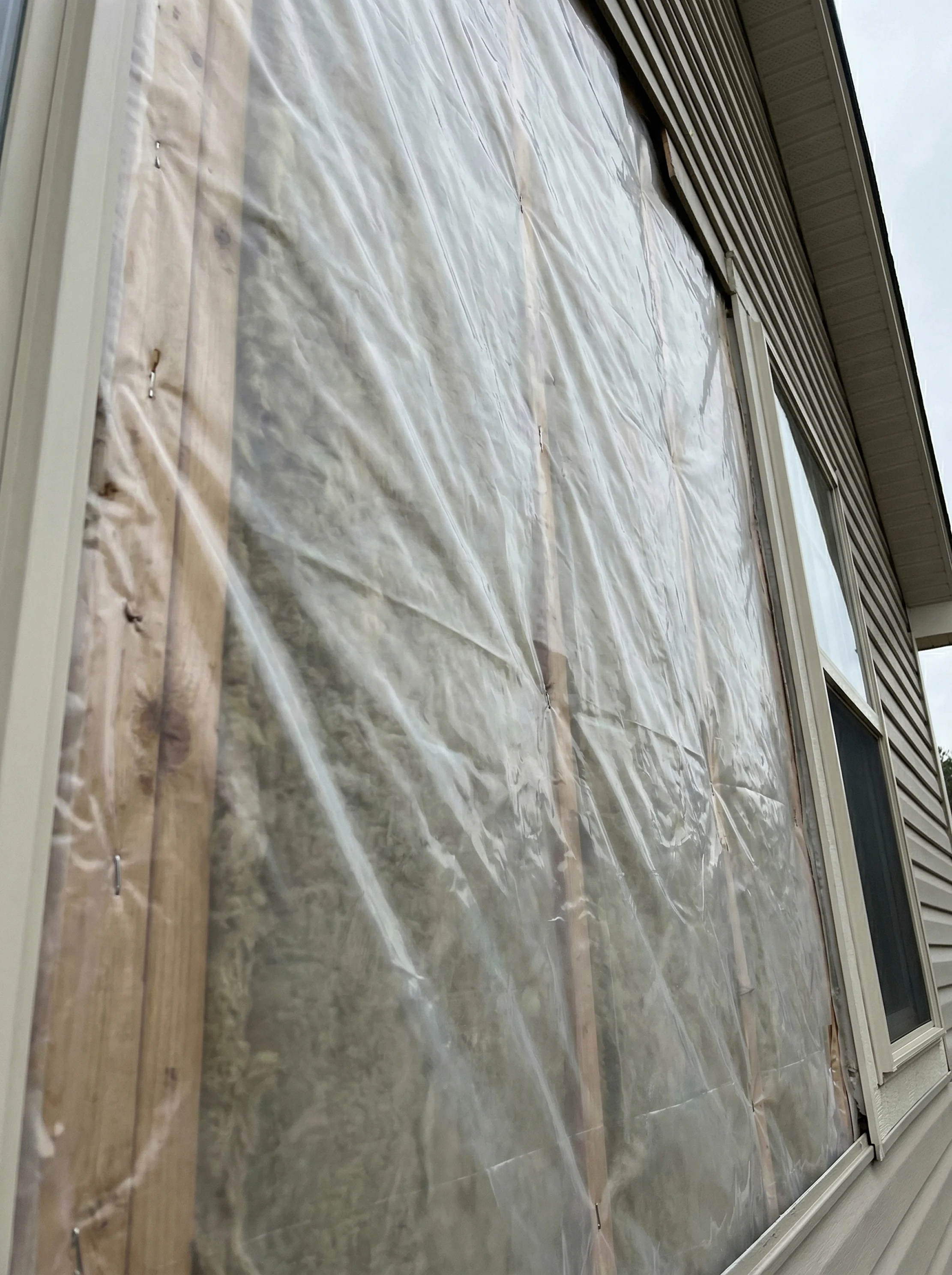
Vapor Barrier FAQs
It controls moisture movement through materials by diffusion, helping reduce condensation inside wall assemblies.
No. Vapor barriers control vapor diffusion, while air barriers control air leakage.
Not all assemblies require the same level of vapor control. It depends on climate, insulation, and design.
Yes. Incorrect placement or sealing can trap moisture, which is why proper planning matters.
Yes. Sealing penetrations is part of maintaining effective vapor control.
Yes. All vapor barrier installation is completed by our in-house team.
Get Vapor Barrier Installation
Done The Right Way
Vapor control plays a key role in protecting the building envelope from hidden moisture damage. If you want vapor barrier installation handled with care, planning, and full envelope understanding, Big Dog Exteriors is ready to help.